Navigating Lease Agreements with Private Landlords: A Step-by-Step Guide

Understanding the Basics of Lease Agreements
When entering into a lease agreement with a private landlord, it's essential to understand the basic components of the contract. A lease agreement is a legally binding document that outlines the terms and conditions of renting a property. It typically includes details such as the rental amount, duration, and responsibilities of both tenant and landlord.
Make sure to read every section carefully. Pay attention to the clauses related to rent increases, maintenance responsibilities, and termination conditions. Being informed can save you from potential disputes down the line.
Identifying Key Clauses
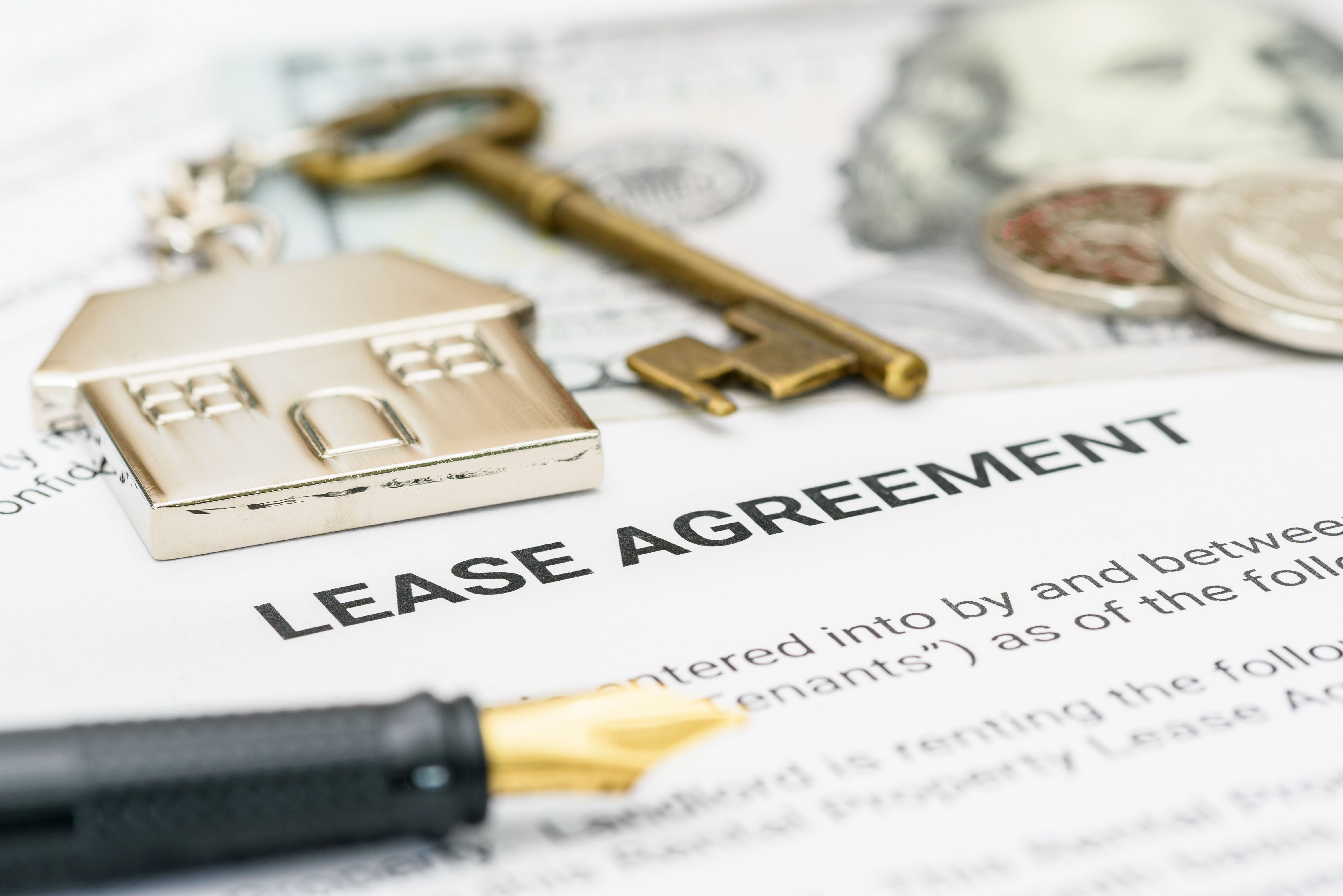
Lease agreements often contain several key clauses that can significantly affect your rental experience. Some of the most important ones to look out for include:
- Security Deposit: Understand how much is required, the conditions for its return, and any deductions that might occur.
- Rent Payment Terms: Know the due date, late fees, and acceptable payment methods.
- Maintenance and Repairs: Clarify who is responsible for regular upkeep and emergency repairs.
Discuss any unclear terms with your landlord to ensure mutual understanding and agreement.
Negotiating Terms with Your Landlord
Don’t hesitate to negotiate the terms of your lease. Whether it's the rental price, the length of the lease, or specific clauses, many landlords are open to discussion. Approach negotiations respectfully and be prepared to explain your requests.
If you're unsure about what to negotiate, consider consulting a real estate professional or a lawyer who specializes in tenant law. They can provide valuable insights and help you secure a fair lease agreement.

Documenting Everything
Always document any agreements or changes made to the original lease. This includes verbal agreements, which should be confirmed in writing via email or an updated lease document. Keeping a detailed record helps protect both parties and can serve as evidence if disputes arise.
Consider creating a file for all related documents, including the lease agreement, correspondence with your landlord, and any receipts for payments made. Organization is key to managing your lease effectively.
Preparing for Lease Renewal
As your lease term nears its end, start preparing for renewal. Assess your current living situation and decide whether you wish to renew the lease or move elsewhere. If renewing, discuss potential changes with your landlord ahead of time.

Be aware of any deadlines for providing notice of your intent to renew or vacate. Missing these can lead to automatic lease renewal or other penalties.
Resolving Disputes
Despite your best efforts, disputes with landlords can arise. The best approach is to address issues promptly and professionally. Clearly communicate your concerns and seek a resolution that respects both parties' rights.
If direct communication fails, consider mediation or legal assistance. Many regions offer tenant advocacy services that can provide guidance and support.
Conclusion
Navigating lease agreements with private landlords can seem daunting, but with a clear understanding and careful planning, you can manage it effectively. By identifying key clauses, negotiating terms, and documenting everything, you ensure a smooth and mutually beneficial rental experience. Stay informed and proactive to make the most of your living arrangement.