R-75 vs R-85: Decoding Zoning Codes for Maximum Equity

Understanding Zoning Codes: R-75 vs R-85
Zoning codes play a crucial role in urban planning, dictating how land can be used and what types of structures can be built. For those interested in maximizing equity, understanding the differences between zoning codes like R-75 and R-85 is essential. These codes not only impact property values but also influence the community's development and character.
The R-75 and R-85 zoning codes are typically associated with residential areas, but they have distinct characteristics that cater to different types of housing needs and investment opportunities. Let's dive deeper into what sets these zoning codes apart and how they can affect your real estate ventures.
R-75: A Closer Look
R-75 zoning is generally designed for single-family homes, offering a suburban feel with larger lot sizes. This zoning code is ideal for families looking to settle in a quiet, residential area. Properties in R-75 zones often have spacious yards, which can be a significant selling point for potential buyers.
From an investment perspective, R-75 zones can be attractive due to their stability and consistent demand. However, the potential for high-density development is limited, which might restrict opportunities for large-scale real estate projects.
R-85: Higher Density Possibilities
On the other hand, R-85 zoning allows for higher density residential development, such as duplexes or even small apartment buildings. This zoning code is perfect for investors looking to maximize rental income through multi-family housing. The ability to accommodate more units on a single lot can lead to increased profitability.
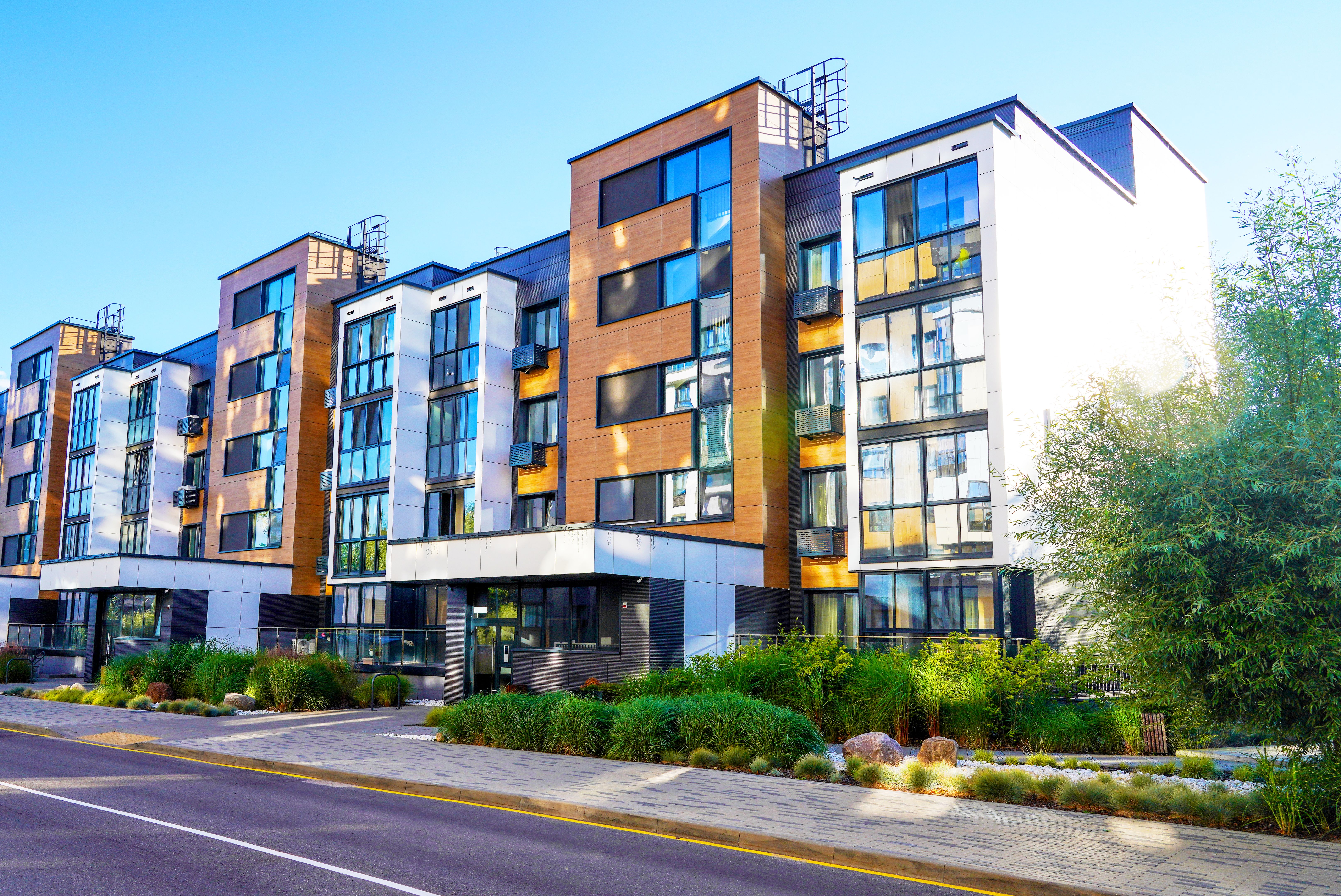
R-85 zones are often found in more urbanized areas, offering proximity to amenities like public transportation, shopping, and dining. This makes them highly desirable for renters who prioritize convenience and accessibility.
Impact on Property Values
The zoning code of an area can significantly impact property values. In general, R-85 zoning might lead to higher property values due to the potential for higher rental income. However, the desirability of R-75 zones for single-family homes can also command premium prices, especially in communities with good schools and low crime rates.
Investors need to consider their target market and long-term goals when choosing between R-75 and R-85 zoned properties. Understanding local market trends and demographic shifts can also provide insight into which zoning option might offer the best return on investment.

Balancing Community Needs and Development
While maximizing equity is a priority for investors, it's important to consider the broader impact of zoning decisions on community development. R-75 zones can help preserve the character of established neighborhoods, while R-85 zones can support urban growth and increased housing availability.
Engaging with local planning boards and community stakeholders can provide valuable perspectives and ensure that development aligns with community needs and values. By balancing these factors, investors can contribute positively to the areas in which they invest.
In conclusion, understanding the nuances of R-75 and R-85 zoning codes is vital for anyone looking to make informed real estate investment decisions. By considering both the financial and community aspects, investors can achieve maximum equity while fostering sustainable development.