
The Rise of the 15-Minute City: Redefining Urban Living in 2026


Understanding the 15-Minute City Concept
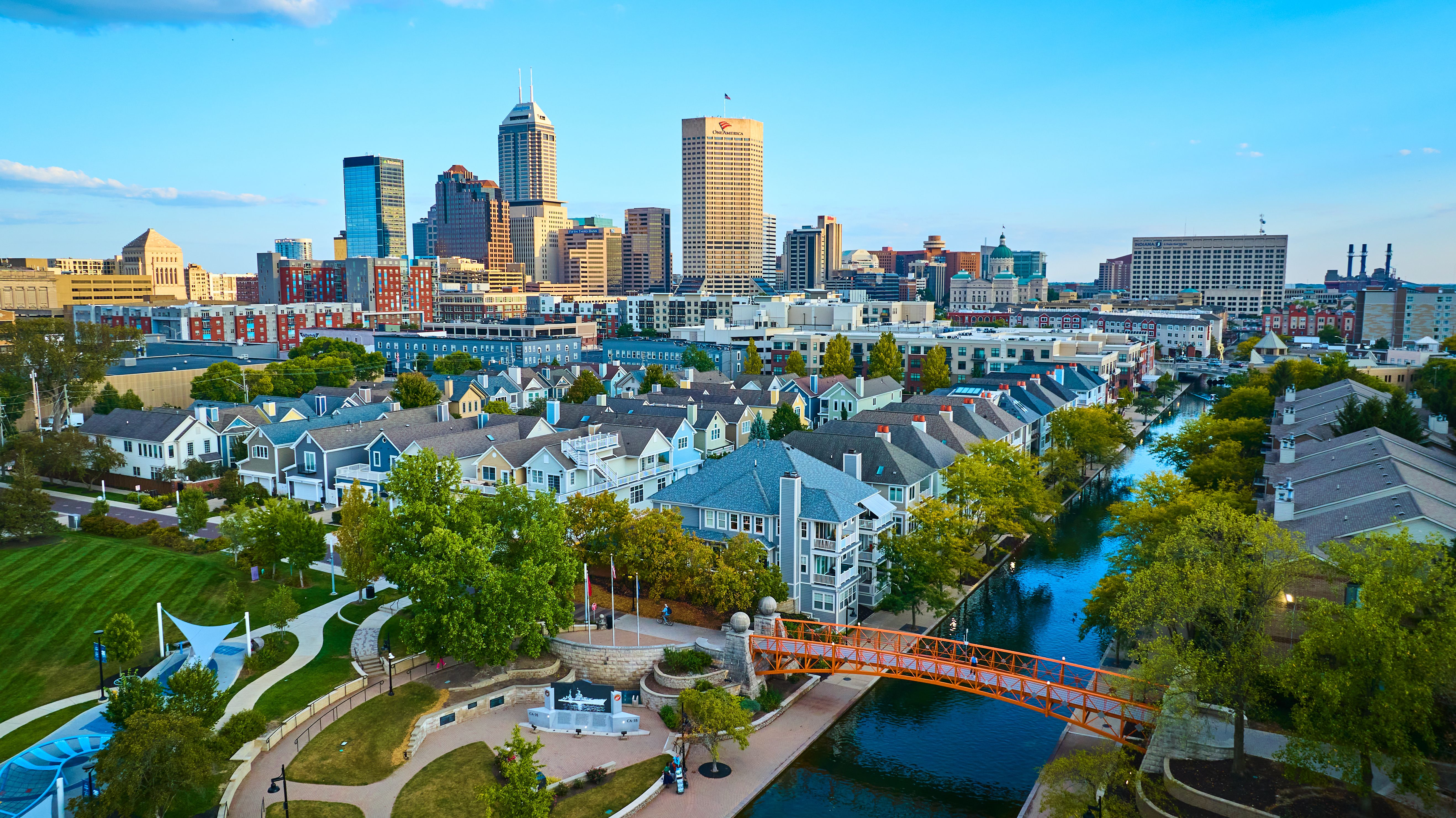
The 15-Minute City is a revolutionary urban planning concept that emphasizes local living. The idea is simple: everything a resident needs—work, shopping, healthcare, education, and leisure—should be within a 15-minute walk or bike ride from home. In 2026, this model is redefining urban landscapes, promoting sustainability, and enhancing quality of life.
The Benefits of Proximity
One of the most significant advantages of the 15-Minute City is the reduction in commuting times. By minimizing the need for long car rides, this model can significantly decrease carbon emissions. Residents also enjoy more free time, which can be spent on personal growth or community engagement. The proximity of essential services fosters a sense of community and belonging, making cities more livable and vibrant.
Implementing the Vision
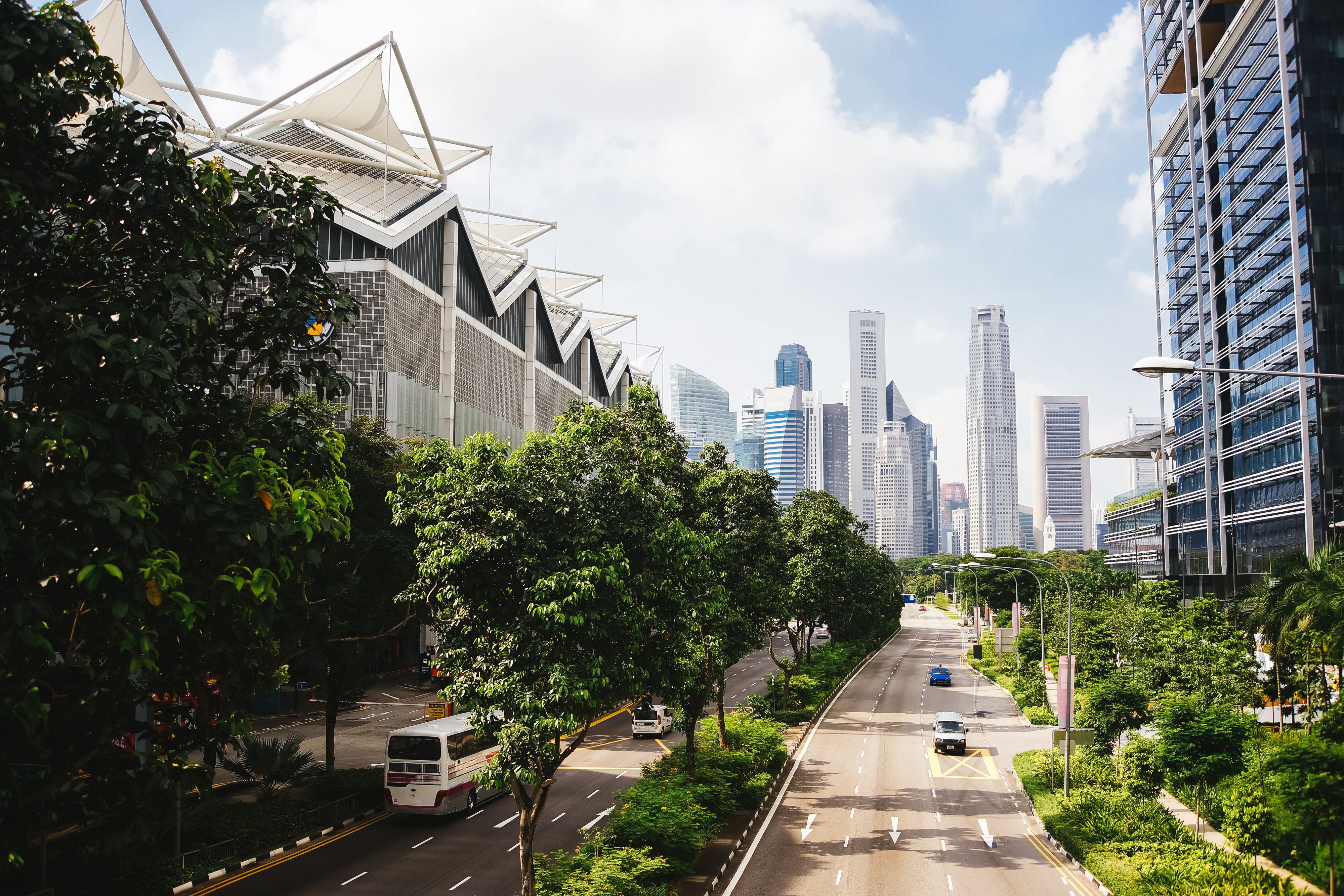
Transitioning to a 15-Minute City requires strategic urban planning and collaboration between local governments, businesses, and citizens. Urban planners focus on mixed-use developments, integrating residential, commercial, and recreational areas. This approach not only maximizes space but also enhances accessibility, creating a seamless urban experience.
Challenges and Solutions
While the benefits are clear, implementing the 15-Minute City comes with challenges. Urban areas often face issues like zoning restrictions, high population density, and existing infrastructure constraints. However, innovative solutions like flexible zoning laws and the repurposing of underutilized spaces can facilitate this transformation.
The Role of Technology
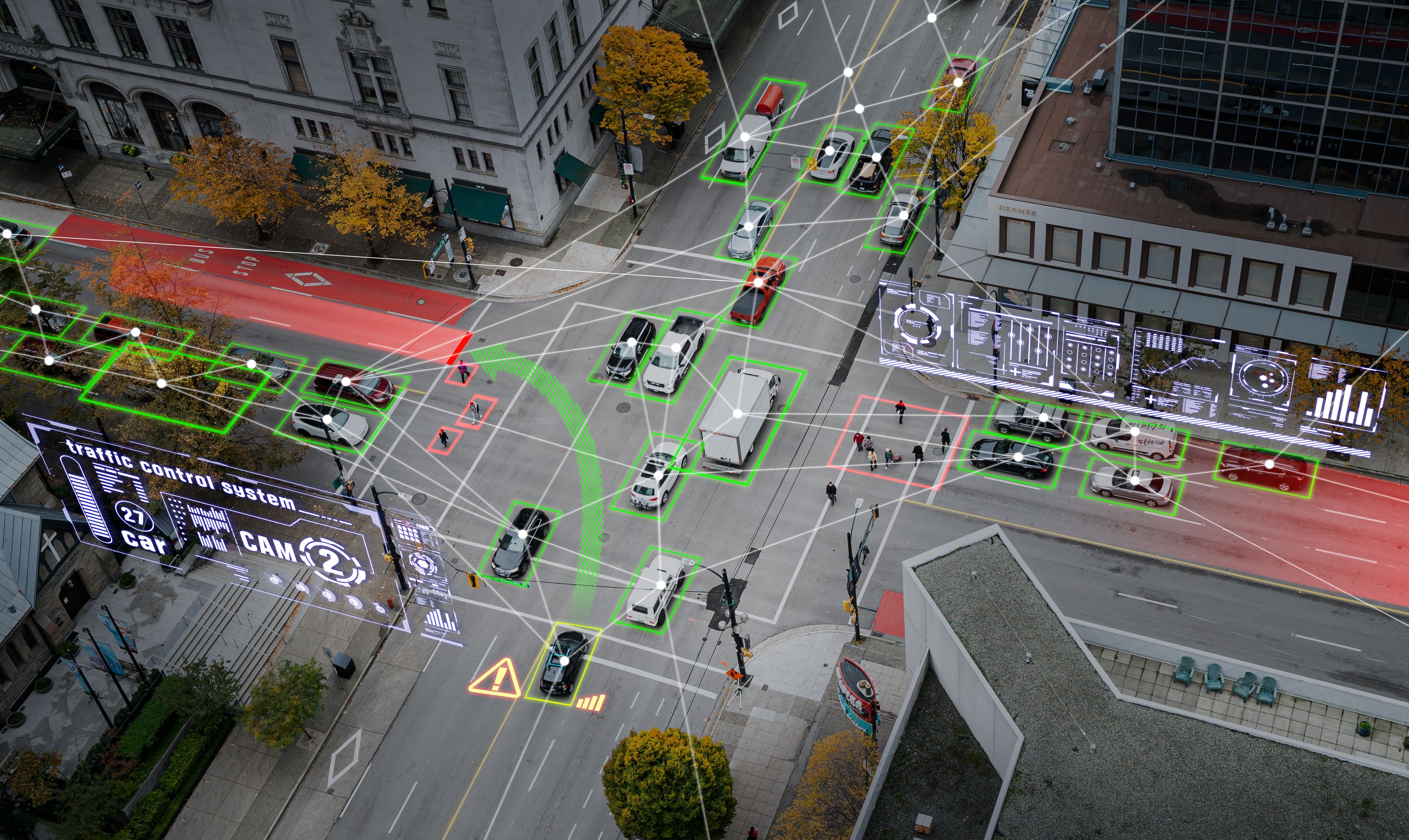
Technology plays a crucial role in the development of the 15-Minute City. Smart city technologies, such as real-time data analytics and IoT devices, help optimize resources and improve urban efficiency. These technologies enable cities to adapt quickly to residents' needs, enhancing the overall urban experience.
Global Examples and Success Stories
Cities worldwide are embracing the 15-Minute City concept. Paris, for instance, has been at the forefront, implementing policies that prioritize pedestrians and cyclists. Melbourne and Portland are also making strides in this direction, serving as role models for other urban areas looking to adopt this model.
Looking Ahead: The Future of Urban Living
As we move further into 2026, the 15-Minute City is set to become a standard for urban living. This model not only promises a more sustainable future but also a more equitable one, where residents have equal access to resources and opportunities. By focusing on local living, cities can become more resilient, adaptable, and enjoyable places to live.
In conclusion, the rise of the 15-Minute City is reshaping urban landscapes around the globe. By prioritizing proximity, sustainability, and community, this model offers a promising future for cities and their inhabitants. As more areas adopt this approach, we can look forward to healthier, happier, and more connected urban environments.